
• Booklets and Pamphlets Design
Tangible trust in a digital world.
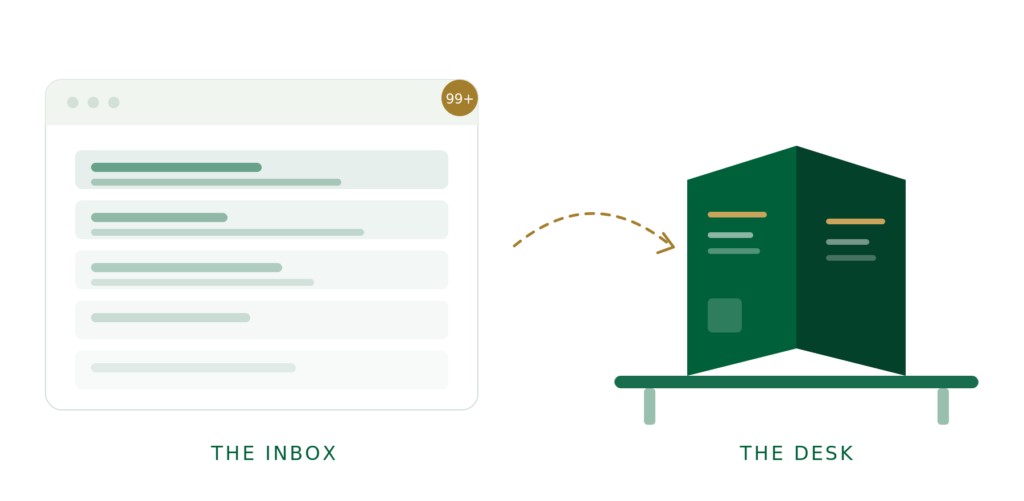
Your inbox competes with two hundred others. A well-made booklet competes with nothing — it sits on the desk, in the hand, on the boardroom table. We design print and digital collateral that carries your technical expertise into the room, then track what it brings back.

• What robust design does
Three things a booklet has to do
before it earns its print run.
Hold together under scrutiny
Every page is built on a proper grid, a set type scale and your real brand colours. Nothing is improvised, so nothing falls apart when it is printed at A5 or opened on a phone.
Hold attention past page one
Diagrams, pull quotes and white space carry a reader through the argument. A finance director should be able to skim your booklet in ninety seconds and still get the point.
Send something back to you
Each piece carries a trackable QR code or short link. You see which event, which prospect and which page turned into a conversation — not just how many copies you handed out.
• The marketing edge
Move your brand from the screen to the desk.
A link can be closed and forgotten in a second. A well-made booklet stays on a desk for weeks, gets passed to a colleague, and quietly keeps your IT expertise in the room while a decision is being made.
Credibility you can hand over
For a young managed IT firm, a substantial printed piece answers the question nobody asks out loud: are these people established enough to trust with our systems?
Confidence from day one
Your sales team walks into a trade show or a boardroom with materials that tell the story properly — the same story, told the same way, by everyone on the team.
Jargon translated, not removed
We turn zero-trust architecture, SLAs and patch cycles into plain language and clear visuals — the technical depth stays, the barrier to understanding goes.
• The marketing edge
Six returns on a well-designed booklet.
Design is not decoration on top of your marketing budget. Each of these is a job your collateral does after you have paid for it once.
First impression
Credibility, established before you speak
Paper stock, alignment and typography are read as competence. A prospect handling your booklet has already formed a view of how you will handle their infrastructure.
Brand consistency
One brand, on screen and on paper
Your print collateral uses the same palette, type and voice as your website and proposals. Every touchpoint reinforces the last instead of quietly contradicting it.
Message clarity
The point, found in seconds
Hierarchy does the work: what you do, who it is for, what it costs and what happens next. No decision-maker has to hunt for the part that concerns them.
Lead generation
Print that reports back
Trackable codes turn a leave-behind into a measurable channel. Scans land in your CRM with source, campaign and timestamp attached, ready for follow-up.
Differentiation
Nothing that looks bought from a template
Most IT providers hand out the same stock imagery and the same three promises. Custom layout and original diagrams make your positioning visible at a glance.
ROI multiplier
One design, many campaigns
Master files are built to be reused — swap a service page, refresh a stat, export for print or email. Your next piece costs a fraction of the first one.
Turn technical complexity into client trust.
• Selling managed security
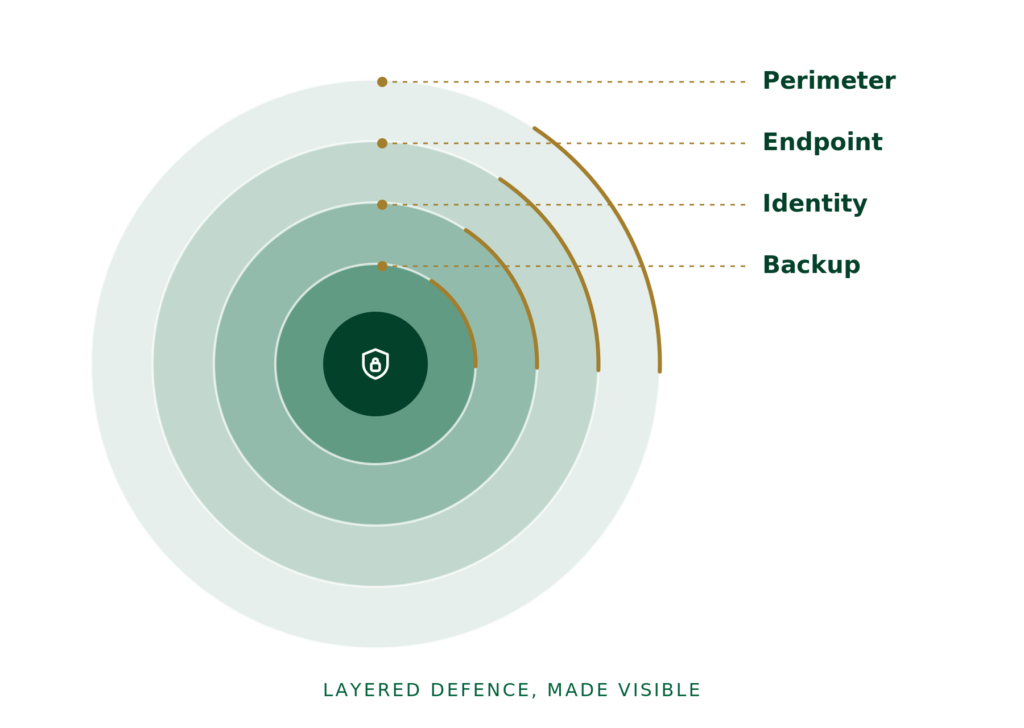
Booklets make invisible protection visible.
Cybersecurity is the hardest thing you sell, because when it works nothing happens. Print gives you room to show the architecture behind that silence.
Draw the layers
Infographics turn layered defence, firewall architecture and encryption at rest into something a CEO can follow without a technical translator in the room.
Stay in the room after the pitch
Security decisions take weeks and involve people who never met you. Your booklet argues your case on the desk of everyone who joins the conversation late.
Give jargon its own page
A plain-language glossary spread lets you keep precise terminology in the proposal while giving decision-makers a clear route into what it actually means.
Detail signals diligence
Clean margins and accurate diagrams say something true about how you work. Nobody hands their sensitive data to a firm whose own materials are careless.
• The IT-integrated advantage
Design that lives inside your systems,
not on someone else's laptop.
Most marketing assets end up detached — final files on a freelancer's drive, a PDF too heavy to email, a QR code nobody is measuring. Because we already manage your infrastructure, your collateral becomes part of it.
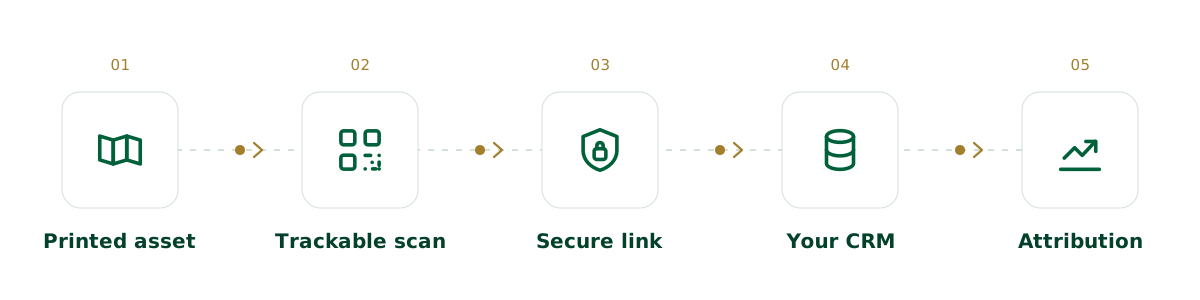
Integrated data flow
Every scan becomes a record
QR codes and short links route through your own domain and write straight into your managed CRM — campaign, source and page, captured without a spreadsheet in sight.
Asset governance
Source files stay yours
Working files, fonts and brand assets sit in your secured, backed-up, version-controlled environment — not on a third-party device you cannot audit or recover from.
Technical optimisation
Files that arrive and load
We build to your hosting and mail gateway limits, so digital booklets open fast, pass attachment size rules and do not trip spam or security filters on the way in.
Unified support
One number to call
No handoffs between a design studio and an IT provider, and no arguments about whose fault the broken link is. Design and infrastructure sit on the same ticket queue.
Brand control
Templates your team cannot break
Locked master layouts let staff produce a new one-pager or event flyer on their own, without the logo moving, the colours drifting or the type changing size.
Print & digital parity
Two formats, one source of truth
Every project ships as a press-ready pack and a screen-optimised PDF built from the same master, so the version handed out matches the version emailed.
Because we manage your infrastructure, your design assets never break your systems — they extend them.
• How a project runs
Three stages, roughly three weeks.
You will know what happens next at every point, and you will only ever review work that is ready to be reviewed.
01 - Week One
Brand discovery
We audit what you already have, agree the audience and the single job this piece must do, and lock the palette, type and voice. You approve a written direction before anything is designed.
02 - Week Two
High-impact design
Layout, original diagrams and edited copy come together into a full draft. Two rounds of revisions are included, tracked in one place instead of scattered across email threads.
03 - Week Three
Print & digital optimisation
We prepare press-ready artwork with bleed and colour profiles, a compressed PDF for email, and the tracked links. Then we file the masters in your environment and hand over the templates.
• What we design
Six formats that carry a managed IT story.
Company brochures
The full picture — services, team, accreditations and proof — for prospects deciding whether to shortlist you.
Service catalogues
Tiers, inclusions and support levels laid out so a buyer can compare packages without a follow-up call.
Service pamphlets
One service, one fold, one message — ideal for reception desks, trade show tables and cold outreach packs.
Case study booklets
A migration or breach recovery told properly — situation, response, downtime avoided, numbers a peer will recognise.
Event programmes
Agendas, speaker pages and sponsor placement for the seminars and lunch-and-learns you host.
White papers
Research-backed documents on compliance, ransomware readiness or cloud migration that establish you as the authority.
• Start here
Six formats that carry a managed IT story.
Every project starts with a short conversation about the room your collateral needs to work in. Choose whichever line sounds most like your situation.
Move your brand from the inbox to the desk.
Turn technical complexity into client trust.
Make your security services tangible and trusted.
Leave a lasting impression after every meeting.